

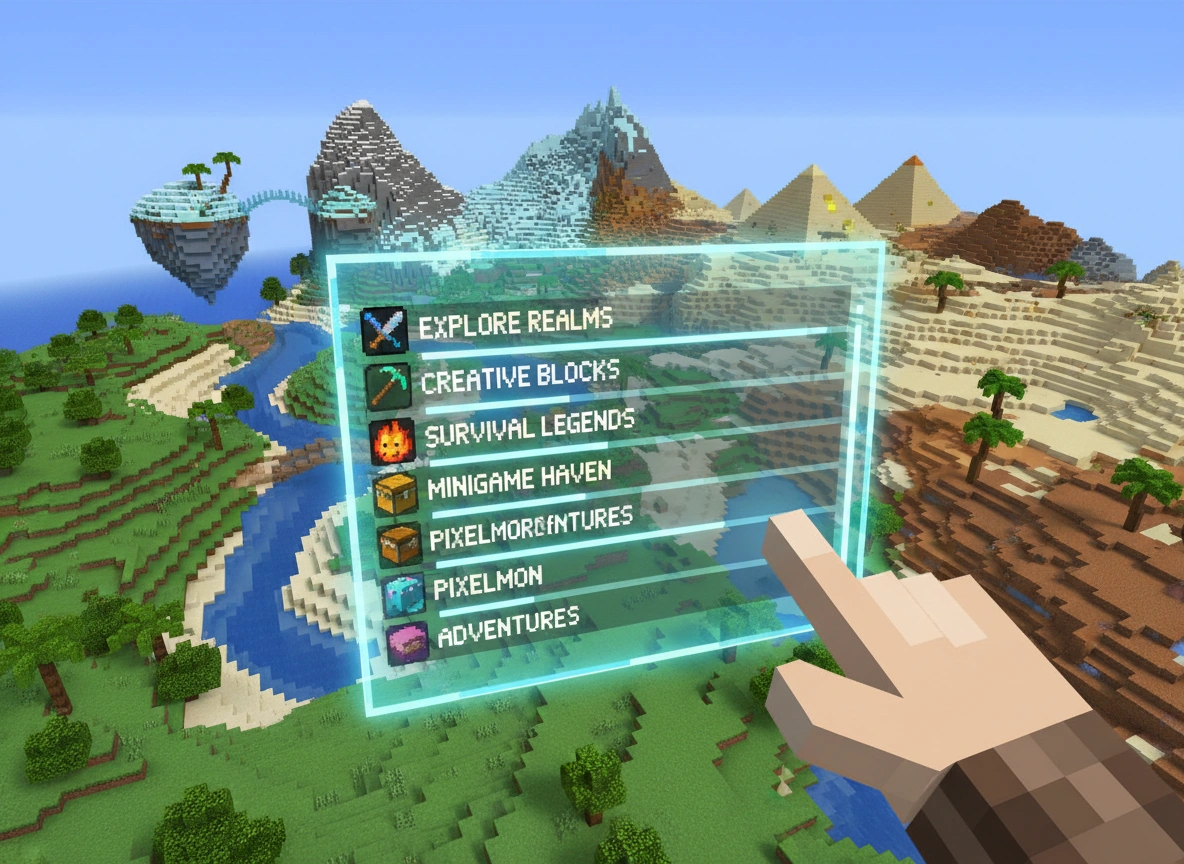
Minecraft offers a brilliant base experience, but the true longevity of the game lies in its multiplayer communities. While playing alone or with a few friends on a private world is enjoyable, venturing into public servers opens up entirely new dimensions of play. From massive roleplaying worlds with custom storylines to fast-paced competitive minigames, the possibilities are nearly endless. The challenge lies in finding the right community among thousands of active options.
This is where Minecraft server lists become an essential tool. These online directories act as a compass, guiding you through the vast ocean of multiplayer communities. Understanding how to use these directories effectively can completely transform your time in the game.
The Importance of Minecraft Server Lists
Minecraft server lists are dedicated websites that index, categorize, and rank active Minecraft servers. Without these directories, finding a place to play would rely entirely on word-of-mouth or random forum posts. Server lists organize the chaos, providing a streamlined way to browse available options based on your specific interests.
These platforms are important because they offer transparency. Before you even launch the game, a good server list tells you how many people are currently playing, what version of the game the server runs, and what type of gameplay you can expect. They save you the frustration of logging into an empty world or a server that does not match your playstyle. Furthermore, they provide a platform for server owners to showcase their unique creations, ensuring that innovative gameplay modes find the audiences they deserve.
Navigating and Using Server Lists Effectively
When you first visit a popular server list, the sheer number of options can feel overwhelming. To find exactly what you want, you need to use the platform’s search and filtering tools effectively.
Utilize Category Tags
Most directories categorize servers using tags. These tags describe the core gameplay loop. If you want to build peacefully alongside others, you can filter for “PvE” (Player versus Environment) or “Towny.” If you prefer competitive combat, tags like “PvP” (Player versus Player), “Factions,” or “KitPvP” will narrow down your search. Selecting the right combination of tags is the fastest way to weed out servers that do not align with your interests.
Sort by Meaningful Metrics
Server lists typically sort their front pages by “Votes,” which represents how many players have supported the server on that specific website. While highly voted servers are often reliable and well-populated, they are not the only options worth exploring. Consider sorting by:
- Player Count: Find the largest communities, or scroll down to find smaller, more intimate groups.
- Uptime: This metric shows how consistently the server is online. Look for servers with an uptime of 98% or higher to ensure a stable experience.
- Newest Servers: If you want to be part of a community from day one, sorting by recently added servers allows you to join fresh economies and untouched maps.
Check Version Compatibility
Minecraft updates frequently, and not all servers update at the same pace. Many heavily modded or customized servers stay on older versions of the game to maintain stability. Always check the version listed on the directory to ensure your game client matches the server requirements before trying to connect.
Tips for Identifying Unique and High-Quality Servers
Finding a server is easy; finding a high-quality, well-managed server requires a bit more scrutiny. Here are several indicators that a server will provide a premium experience.
Read the Server Description Thoroughly
A dedicated server owner will take the time to write a detailed, well-formatted description. Look for pages that clearly outline the server’s rules, unique features, and community values. If the description is just a single sentence or packed entirely with generic buzzwords, the server itself might lack depth.
Look for Custom Features
Many servers rely on standard, out-of-the-box plugins. The truly unique servers take the time to develop custom content. As you read through the directory listing, keep an eye out for mentions of custom mobs, original questlines, bespoke items, or unique terrain generation. These features indicate a development team that is invested in creating a standout experience.
Check for Active External Communities
A strong server usually extends beyond the game itself. High-quality listings will often include links to a dedicated website, community forum, or a Discord server. Joining the server’s Discord before logging into the game is an excellent way to gauge the community atmosphere. You can see how active the players are, how responsive the staff members are to questions, and whether the general environment is welcoming.
Beware of Pay-to-Win Mechanics
While server owners need funding to keep their machines running, the best communities balance monetization fairly. Look for servers that advertise “cosmetic only” ranks or explicitly state they are not “pay-to-win.” You want to ensure that your gameplay experience relies on your skill and dedication, not on how much money you spend in a web store.
Examples of Unique Gameplay Experiences
Once you master the art of browsing server lists, you will discover that Minecraft is less of a single game and more of a platform for thousands of different games. Here are a few examples of unique gameplay styles you can uncover.
Immersive Roleplaying (RPG) Servers
Some servers completely abandon the traditional survival experience to create massive multiplayer roleplaying games. When you join these servers, you might find yourself in a bustling medieval city or a futuristic sci-fi colony. You can select a class, accept quests from non-player characters, level up specific skills, and explore custom-built dungeons. These servers often feature custom lore and encourage players to stay in character, providing a deeply immersive narrative experience.
Deep Economy and Towny Networks
If you enjoy the business side of resource gathering, economy servers are incredibly rewarding. In these worlds, every block has a monetary value. Players can claim land, build massive cities, open player-run shops, and engage in complex trade negotiations. The “Towny” plugin allows mayors to collect taxes, manage residents, and form alliances with neighboring towns, turning standard survival into an elaborate game of civilization building.
High-Stakes Factions
Factions servers offer a ruthless, highly competitive environment. Players form clans, build heavily fortified bases, and stockpile resources to wage war against rival groups. The goal is to breach enemy defenses using carefully engineered TNT cannons and claim their loot. It is a thrilling, high-adrenaline game mode that requires teamwork, strategy, and a strong understanding of game mechanics.
Skyblock Challenges
Skyblock removes the infinite world generation and places you on a tiny dirt island floating in an endless void. With only a single tree and a chest containing minimal supplies, you must use your knowledge of game mechanics to generate infinite resources, expand your island, and eventually build a thriving base. Many server lists feature Skyblock communities that add custom challenges, island leveling systems, and cooperative play to this classic concept.
Conclusion
Minecraft server lists are powerful tools that unlock the full potential of the game’s multiplayer ecosystem. By understanding how to filter through thousands of directories, analyze server descriptions, and identify the hallmarks of a quality community, you can easily bypass generic experiences. Whether you are looking for a relaxing community focused on cooperative building, a complex economy system, or an intense competitive battleground, the right server is waiting for you. Take the time to explore these directories, experiment with different tags, and you will quickly discover entirely new ways to play the game.
