

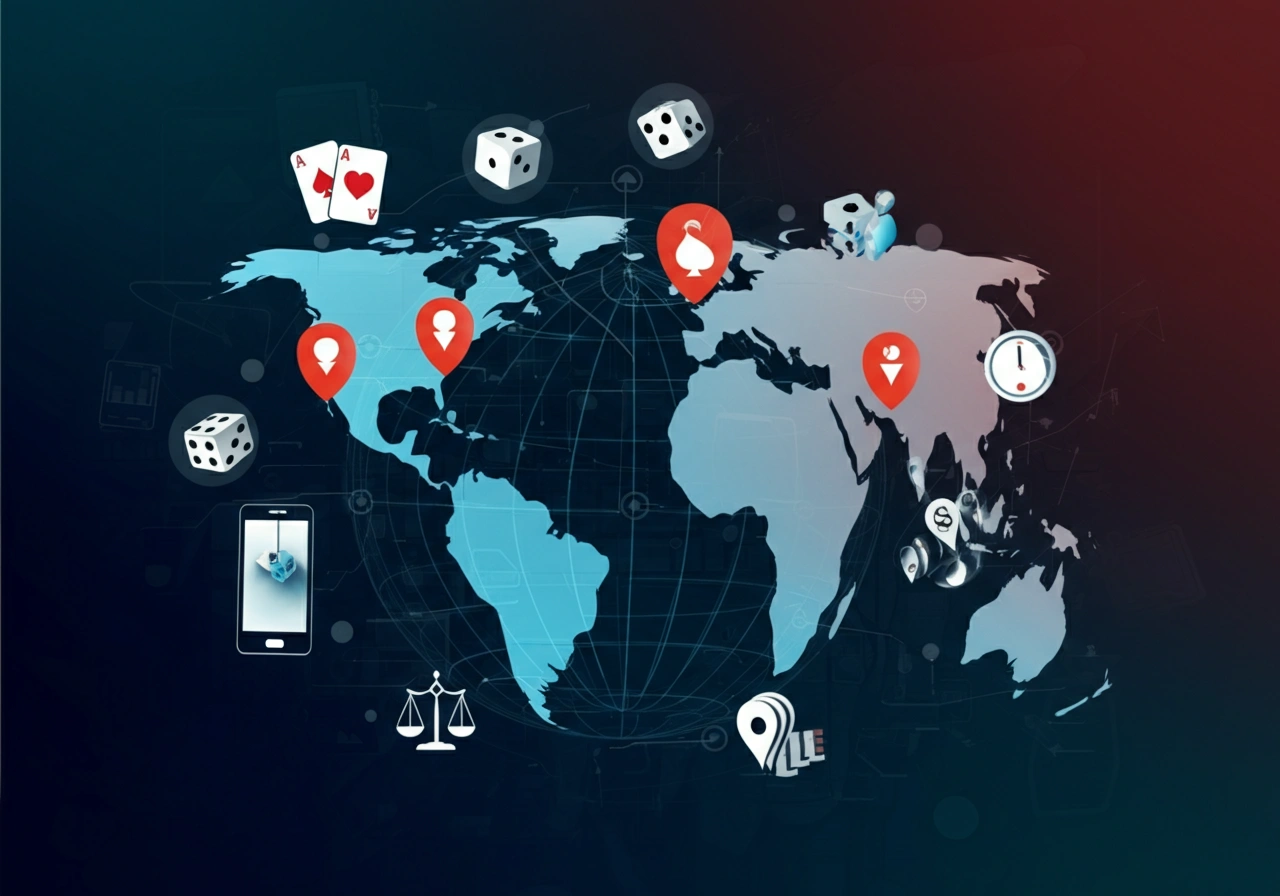
The world of iGaming, encompassing everything from online casinos and sports betting to poker and lottery games, has expanded at an incredible rate. What was once a niche corner of the internet is now a global industry worth billions. This rapid growth brings immense opportunities for operators and players alike. However, it also brings a complex and ever-changing web of regulations that can be difficult to navigate. Understanding these rules is not just a matter of compliance; it’s fundamental to sustainable success.
This article provides a comprehensive overview of iGaming regulations across the globe. We will explore why these rules are so important and examine the legal landscapes in key regions. We will also touch on the challenges regulators face and look ahead to future trends shaping the industry. For anyone involved in iGaming, from seasoned operators to new investors, this guide will offer the clarity needed to operate confidently.
The Importance of Regulation in iGaming
Regulations are the bedrock of a stable and trustworthy iGaming industry. Without clear rules, the market can become a free-for-all, leaving players vulnerable and operators without a level playing field. Effective regulation achieves several critical goals that benefit everyone involved.
First and foremost, regulations protect consumers. Licensing requirements often mandate that operators implement measures to prevent underage gambling, protect players’ funds by segregating them from operational accounts, and ensure the fairness of games through regular testing by independent auditors. These protections build player trust, which is the most valuable currency in the digital gaming space.
Second, robust regulations promote responsible gaming. Jurisdictions with mature regulatory frameworks require operators to provide tools that help players manage their gambling habits. This includes options for setting deposit limits, self-exclusion programs, and providing easy access to support for problem gambling. By prioritizing player well-being, the industry ensures its own long-term health.
Finally, regulations create a stable and predictable business environment. A clear legal framework allows operators to invest with confidence, knowing the rules of engagement. It also helps governments generate tax revenue, combat illegal gambling activities, and prevent the industry from being used for illicit purposes like money laundering.
A Tour of Global iGaming Regulations
The regulatory landscape for iGaming is anything but uniform. It varies dramatically from one country to another, and even between states or provinces within a single nation. Let’s explore the regulatory approaches in some of the world’s most significant markets.
North America: A Market in Transition
North America presents a fascinating and complex regulatory picture, particularly the United States.
- United States: For years, the federal PASPA (Professional and Amateur Sports Protection Act) of 1992 effectively banned sports betting outside of Nevada. Its repeal by the Supreme Court in 2018 opened the floodgates. Now, iGaming regulation is decided on a state-by-state basis. States like New Jersey, Pennsylvania, and Michigan have fully embraced online casinos and sports betting, creating highly competitive and lucrative markets. Other states have only legalized sports betting, while many still have no form of legal iGaming. This patchwork approach requires operators to obtain separate licenses and comply with different rules for each state they enter.
- Canada: Canada’s regulatory environment is also evolving. For a long time, the iGaming market was dominated by provincial lottery corporations. However, Ontario’s decision to launch a regulated commercial market in 2022 marked a significant shift. This new model allows private operators to obtain licenses and compete, setting a potential precedent for other provinces to follow.
Europe: A Mature but Fragmented Market
Europe is widely considered the most mature iGaming market in the world, but it is far from a single entity. Each country has its own regulatory system.
- United Kingdom: The UK has one of the most established and comprehensive regulatory frameworks, overseen by the UK Gambling Commission (UKGC). The UKGC is known for its strict standards on player protection, responsible advertising, and anti-money laundering. Operators must obtain a license to serve UK customers, and the market is highly competitive.
- Malta and Gibraltar: These two small jurisdictions have become massive global hubs for the iGaming industry. The Malta Gaming Authority (MGA) and the Gibraltar Licensing Authority offer licenses that allow operators to serve customers in numerous international markets where local regulations do not exist. Their well-respected regulatory standards have made them a popular base for many of the world’s largest iGaming companies.
- Sweden and Germany: Other European nations have implemented more restrictive models. Sweden re-regulated its market in 2019, introducing a licensing system with stringent rules on bonuses and advertising. Germany’s new State Treaty on Gambling, which came into effect in 2021, legalized online slots and poker nationwide but imposed strict measures like a €1 per spin stake limit on slots.
Asia-Pacific: A Region of Contrasts
The Asia-Pacific region is a market of immense potential but significant regulatory hurdles. While gambling is deeply embedded in many Asian cultures, legal frameworks for online gaming are often restrictive or unclear.
- The Philippines: The Philippines operates a unique dual system. The Philippine Amusement and Gaming Corporation (PAGCOR) regulates land-based casinos and offers licenses for online operators (POGOs) that can only serve customers outside the country. Local residents are generally prohibited from using these sites.
- Australia: Australia has a more liberal approach to sports betting but takes a hard line on online casino games. The Interactive Gambling Act of 2001 prohibits real-money online casino games like slots and poker from being offered to Australian residents.
- Japan and India: These countries represent huge, largely untapped markets. In Japan, most forms of online gambling are illegal, though betting on specific public sports like horse racing is permitted. India’s situation is complex, with gambling laws varying by state and a growing gray market for online betting and casino sites based offshore.
Africa: The Emerging Frontier
Africa is quickly emerging as a major growth market for iGaming, driven by widespread mobile phone adoption and a young, tech-savvy population. Regulation, however, is still in its early stages in many countries.
- South Africa: South Africa has one of the continent’s most developed regulatory systems, with online sports betting being legal and regulated at the provincial level. However, online casino games remain prohibited.
- Nigeria and Kenya: These nations are leading the charge in Sub-Saharan Africa. Both have legalized and regulated online sports betting, creating vibrant and competitive markets. The focus remains heavily on sports, particularly soccer, with mobile betting platforms dominating the landscape.
Challenges and Controversies in Regulation
Regulating the iGaming industry is not without its difficulties. One of the biggest challenges for governments is keeping pace with technology. The borderless nature of the internet makes it difficult to stop unlicensed offshore operators from targeting their citizens, which can undermine local licensing efforts and tax collection.
Another area of controversy is advertising. Regulators and the public are increasingly concerned about the volume and content of gambling ads, particularly their potential impact on children and vulnerable individuals. This has led to crackdowns in countries like the UK, Spain, and Italy, with new rules restricting when and how gambling can be promoted. Finding the right balance between allowing operators to market their services and protecting the public remains a key debate.
The Future of iGaming Regulation
The global iGaming regulatory landscape will continue to evolve. One key trend is a move toward greater channelization—encouraging players to use locally licensed and regulated sites rather than offshore alternatives. To achieve this, regulators are learning that overly restrictive rules, such as very high taxes or severe product limitations, can be counterproductive and push players to the gray market.
We can also expect a stronger focus on technology to aid compliance. The use of AI to monitor player behavior for signs of problem gambling is becoming more common, and blockchain technology holds potential for enhancing transparency and fairness in games.
Finally, a slow but steady trend toward harmonization may emerge in certain regions. While a global regulatory standard is unlikely, regional blocs may start to align their approaches to simplify cross-border operations and create larger, more viable markets, as seen with the launch of Ontario’s market in Canada.
For operators, staying informed and agile will be crucial. The ability to adapt to new regulatory requirements, prioritize player safety, and operate with integrity will be the defining factors for success in this dynamic global industry.
You may also visit this website บาคาร่า
