
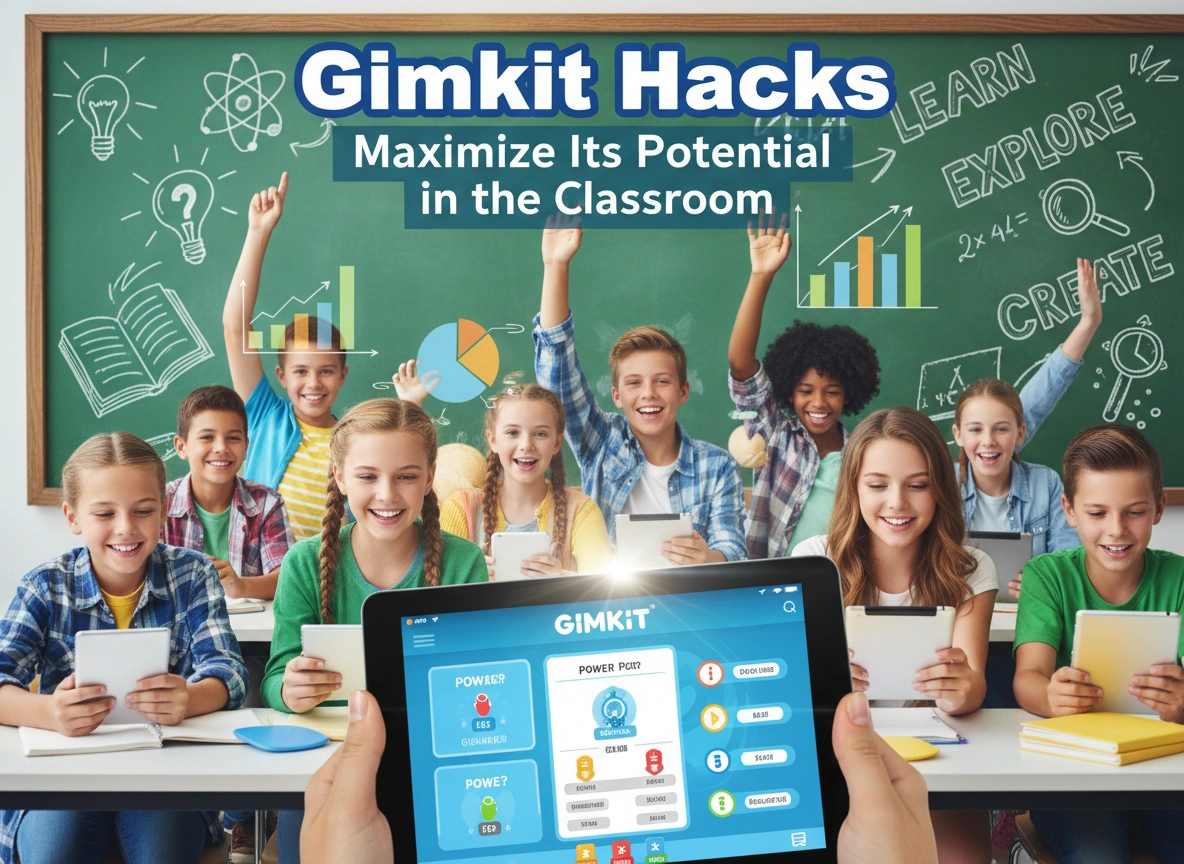
Educators are constantly searching for dynamic tools that can transform the learning experience from a passive activity into an engaging one. Among the array of digital platforms available, Gimkit has emerged as a powerful and versatile option. It combines the mechanics of a game show with the structure of a quiz, creating an environment where students are motivated to learn. While many teachers use Gimkit for basic review sessions, its true potential extends far beyond simple question-and-answer drills. By understanding its features and applying some creative strategies, you can unlock a new level of engagement and educational impact in your classroom.
This article explores effective “hacks” and innovative approaches to help you maximize Gimkit’s potential, turning it from a fun diversion into a cornerstone of your teaching methodology.
Understanding the Core of Gimkit: More Than Just a Game
Before diving into advanced strategies, it’s essential to have a solid grasp of Gimkit’s core components. Unlike traditional quiz platforms, Gimkit integrates economic and strategic elements that set it apart.
- The Game Economy: Students earn in-game currency for answering questions correctly. This money can then be used to purchase power-ups and upgrades, such as earning more money per question or freezing an opponent’s screen. This economic layer introduces decision-making and risk-reward calculations, adding a compelling strategic dimension to the game.
- Multiple Game Modes: Gimkit offers a variety of game modes, each with a unique objective. “Classic” and “Team Mode” focus on reaching a cash goal. “The Floor is Lava” challenges students to answer questions to stay above a rising lava level. “Trust No One” introduces a social deduction element similar to games like Among Us, where students must identify impostors while completing tasks (answering questions). New modes are added regularly, keeping the experience fresh.
- Kit Creation: The foundation of any Gimkit game is the “Kit,” which is essentially a question set. You can create your own kits from scratch, import existing quiz sets from platforms like Quizlet, or use the “KitCollab” feature to have students contribute questions.
By recognizing that Gimkit is a blend of knowledge assessment, strategy, and economic management, you can begin to leverage its features in more sophisticated ways.
Strategies for Deeper Student Engagement
Moving beyond the default settings can dramatically increase student participation and learning retention. These strategies focus on enhancing the collaborative and strategic aspects of the platform.
Foster Strategic Thinking with Team Mode
While individual competition can be motivating, Team Mode encourages communication and collaboration. To maximize its effectiveness:
- Assign Roles: Before the game begins, encourage teams to assign roles. One student might be the “Buyer,” responsible for purchasing team upgrades. Another could be the “Researcher,” tasked with looking up answers they don’t know (if you permit open-note games). This division of labor promotes teamwork.
- Facilitate Team Huddles: Pause the game at strategic intervals for “team huddles.” Give teams 60 seconds to discuss their financial strategy, decide on which power-ups to buy next, or help teammates who are struggling with certain concepts. This transforms the game from a silent, individual race into a vocal, collaborative effort.
- Focus on Collective Goals: Frame the objective not just as winning, but as achieving a collective team understanding. After the game, review the team’s performance and discuss which questions posed the most significant challenges, turning the game into a formative assessment tool.
Use “Trust No One” for Critical Thinking
The “Trust No One” mode is an exceptional tool for subjects that require deductive reasoning and communication skills, such as English Language Arts, history, or even science. Students must use evidence (correctly answering questions to get “power” for their reports) and persuasion to identify the impostors. This mode encourages students to think critically not only about the academic content but also about the social dynamics of the game. It’s an excellent way to practice argumentation and justification in a low-stakes, high-engagement environment.
Tips for Creating High-Impact Custom Kits
The quality of your Gimkit game is directly tied to the quality of your question set, or “Kit.” Thoughtfully designed Kits can elevate a simple review session into a nuanced learning experience.
Go Beyond Basic Vocabulary
While Gimkit is great for vocabulary, push the boundaries by creating questions that require higher-order thinking.
- Incorporate Scenarios: Instead of asking for a definition, present a short scenario and ask students to apply the concept. For a science class, you might describe an ecosystem and ask which principle of symbiosis is being demonstrated.
- Use Images and Multimedia: Add images to your questions to test visual identification or to provide context. A history question could feature a political cartoon, while a math question could include a graph that needs to be interpreted.
- Create Cause-and-Effect Questions: Frame questions that require students to identify the cause or effect of a particular event or concept. This works well for history, literature, and science, encouraging students to think about relationships between ideas rather than isolated facts.
Leverage KitCollab for Student-Led Learning
The KitCollab feature allows students to contribute their own questions to a Kit. This is a powerful technique for promoting ownership and deeper understanding.
- Assign Topics: Divide your unit into sub-topics and assign each student or group to create a set number of questions on their assigned topic. This requires them to review the material, identify key concepts, and formulate clear, accurate questions.
- Peer Review Questions: Before finalizing the Kit, have students review each other’s submissions for clarity and correctness. This peer-review process reinforces learning and helps students develop a more critical eye.
- The Ultimate Review: Using a student-created Kit for a review game is incredibly effective. Students are invested because their own work is part of the game, and they get to see the material from their peers’ perspectives.
Innovative Classroom Applications of Gimkit
Think of Gimkit not just as a post-lesson review tool, but as an integrated part of your teaching process.
The Pre-Assessment Game
Start a new unit with a Gimkit game. Use a Kit that covers the prerequisite knowledge and key concepts of the upcoming topic. The game serves multiple purposes: it activates prior knowledge, piques student interest, and provides you with valuable pre-assessment data. By analyzing the results, you can identify knowledge gaps and tailor your instruction to meet the specific needs of your students before you even begin the first lesson.
The Homework Reinforcer
Assigning a Gimkit game as homework can be a more engaging alternative to a traditional worksheet. Gimkit allows you to set “Assignments,” where students must reach a certain cash goal to complete the task. This allows them to work at their own pace. They must answer questions correctly multiple times to earn enough money, ensuring mastery through repetition. Since the game is fun, students are more likely to complete it thoroughly.
The In-Class Research Sprint
Combine Gimkit with a research activity. Create a Kit with challenging questions that students are unlikely to know offhand. Allow them to use their notes, textbooks, or approved online resources to find the answers during the game. This “research sprint” format teaches students how to locate and synthesize information quickly while still benefiting from the engaging game environment. It’s an excellent way to practice research skills in a dynamic and time-sensitive context.
Conclusion: A Tool for Transformative Teaching
Gimkit is far more than a digital flashcard game. It is a flexible and powerful platform that, with a little creativity, can be adapted to a wide range of pedagogical goals. By moving beyond its basic functions and embracing strategies that promote collaboration, critical thinking, and student ownership, you can transform routine review sessions into memorable and highly effective learning experiences. The real “hack” to Gimkit is realizing that its potential is limited only by the creativity of the educator who wields it. By designing thoughtful Kits and implementing innovative game mechanics, you can unlock a new level of engagement and make learning genuinely exciting for every student in your classroom.
